NEURO-PEERS OP-ED
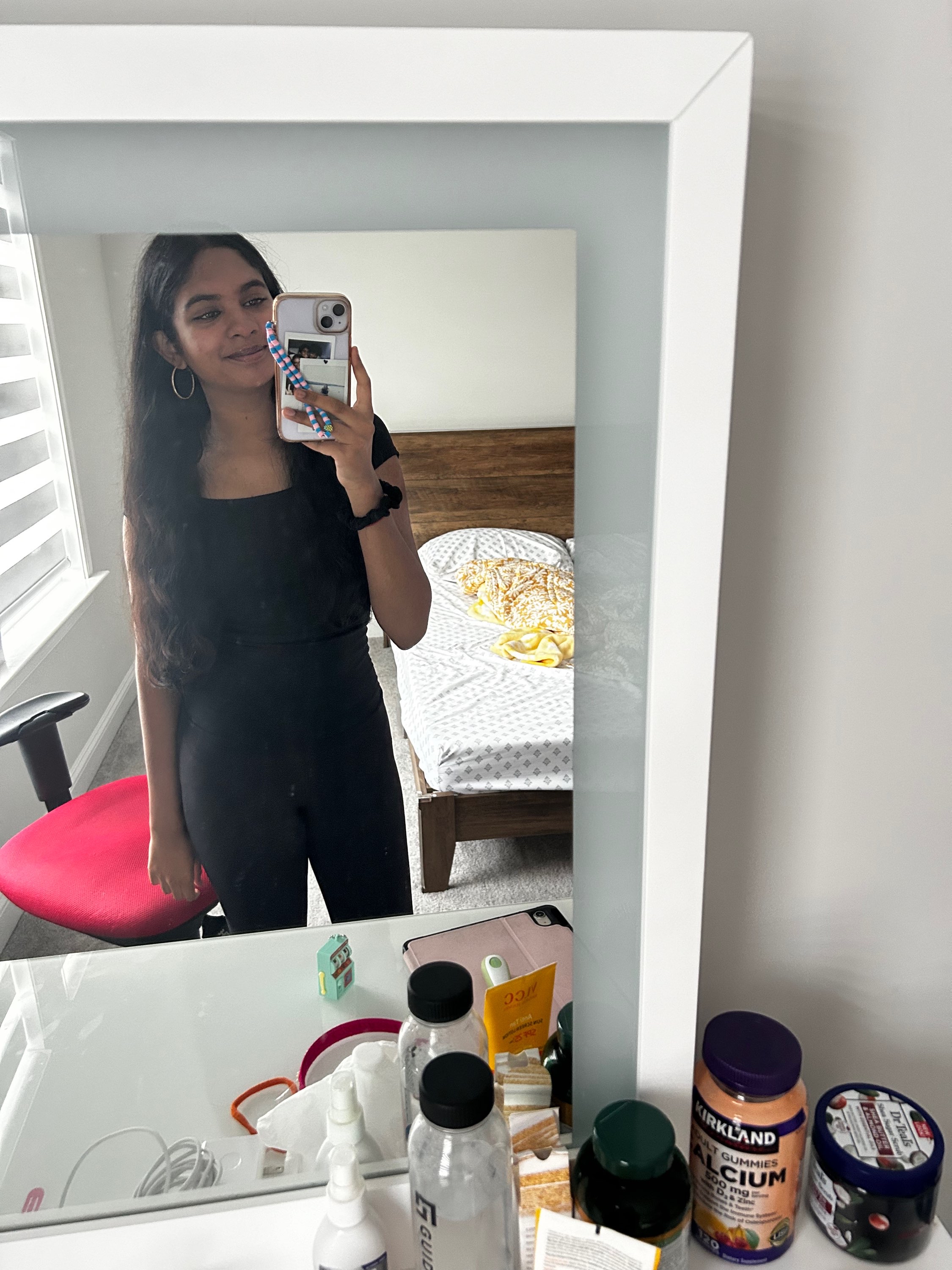
My name is Sahasra Chukkapalli and I am a junior in high school. I am a very passionate individual with experience in working at hospitals, public speaking, research, and working with neurodivergent children. I am the captain of my school’s varsity debate team and work in a laboratory to publish research on certain biochemical reactions. Apart from that, in my free time I do competitive dance, read, write short stories, and am always open to learning new things!
Imagine sitting in a school cafeteria, just trying to eat lunch, only to be laughed at and judged for something as basic as how/the amount of food you eat. This is unfortunately a daily occurrence for neurodivergent children in their schools, simply because of their disabilities.
Context
This issue is about educational equity and the everyday treatment of neurodivergent students in schools.
Right now, despite legal accommodations like 504 plans and other tools, many of these students face constant bullying, are misunderstood by peers, and are either overlooked or mishandled by educators.
Many people believe that schools already provide enough support for students with disabilities, but in reality, those supports often fail in practice, leaving students isolated, underestimated, and without a true sense of belonging.
Main Argument
This project argues that schools are not doing enough to ensure neurodivergent students are fully included, respected, and supported in their daily environments, and that peer-based understanding and structured awareness initiatives are necessary to close this gap.
Despite school’s special programs, accommodations, and chaperoning, people miss the big picture and what’s really happening because they just assume they are all taken care of. Neurodivergent children are the face of bullying, mistreatment, and harsh judgment by students and school & staff heavily overlook this issue.
Problem
One major problem is that neurodivergent students are frequently subjected to social exclusion, bullying, and misunderstanding from their peers. This can also be due to their home environments or external factors, however, this issue in general is very overlooked.
This is an issue because it creates a terrible experience of isolation. Students may feel unsafe or unseen both at school and at home, which can significantly affect their confidence, mental health, and sense of identity, also leading to suicide. Without strong support systems or peers who understand them, these students are left to navigate daily challenges largely on their own.
For example, neurodivergent students may be publicly mocked, socially isolated in classrooms or cafeterias, or dismissed by peers and staff, even when formal support plans are supposed to prevent exactly this kind of treatment.
Solution
To solve this, schools and students must go beyond formal accommodations and change how students interact with Neurodivergent children. They should be treated with the same respect as anyone else and shouldn’t be made fun of for something they cannot control.
Specific solutions: NeuroPeers Buddy program(a program where neurotypical and neurodivergent students are paired together for tutoring, lunch, school events, sports, and activities. Mandatory Inclusion Workshops(a 30-45 minute workshop at the beginning of each school year teaching students: common disabilities and neurodivergencies, respectful language, how to be an ally, and how bullying affects neurodivergent students.) "Walk in Their Shoes" Activities(Students participate in simulations: Reading dyslexia-style text, Completing tasks with sensory distractions, and Communication challenges to see how it is like to function as a neurodivergent student.) Anonymous Reporting System( We create an easy online form where students can anonymously report disability-related bullying, discrimination, and failure to follow accommodations.)
This would help because it addresses not just policy gaps, but the everyday social environment that determines whether neurodivergent students are actually treated with respect and inclusion.
As a result, schools would shift from being places where neurodivergent students merely “get support on paper” to environments where they are consistently protected, understood, and meaningfully included in both academic and social life. Additionally, I am hoping to implement a state wide policy change to make sure this happens.
CONCESSION
Some people argue that raising awareness about neurodiversity in schools, and simply just “talking” about it is enough to promote inclusion and stop mistreatment.
Others believe that existing support systems, the Special Education system schools already have, and general messages about kindness are enough to ensure neurodivergent students are treated fairly and respectfully.
However, awareness alone does not translate into real behavioral change in peer interactions or meaningful emotional support in students’ daily lives.
This is not enough because it overlooks the serious emotional and psychological impact of ongoing exclusion and bullying, which can deeply affect a neurodivergent student’s mental health, sense of safety, and self-worth. What may seem like “harmless” mockery can lead these students to having awful thoughts about themselves and having episodes leading to hospitalization/rehabilitation or even suicide.
CONCLUSION
Therefore, we must move beyond awareness and actively build real, everyday inclusion so neurodivergent students are consistently respected, understood, and supported in their daily environments.
It is time to stop treating inclusion as something optional or assume it’s “already taken care of” and start making it a consistent part of how students interact with one another in real life.
We must create peer driven efforts like NeuroPeers that encourage empathy, understanding, and meaningful connection between students.
If we do not act, neurodivergent students will continue to experience isolation, misunderstanding, and exclusion in spaces where they should instead feel safe and valued.
Comments